

 By
By 
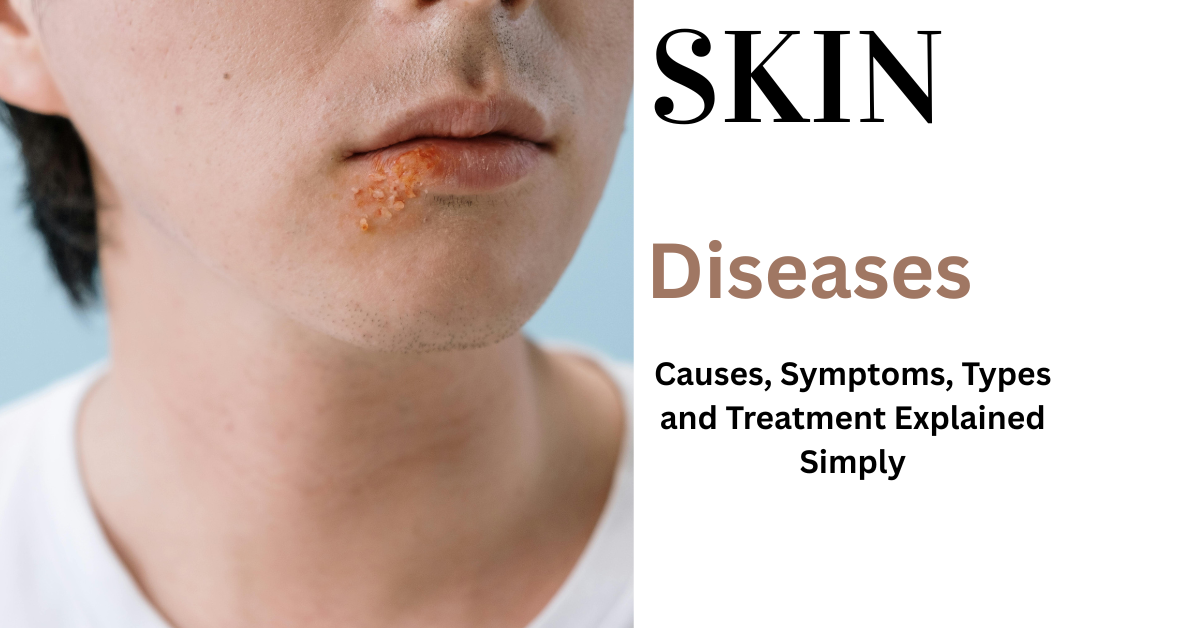
Skin Diseases: Causes, Symptoms, Types and Treatment Explained Simply
Skin diseases are very common and can affect people of all ages. Some skin conditions are mild and temporary, while others are long-term and need regular care. Skin problems can cause itching, redness, rashes, dryness or changes in skin color, which may affect both comfort and appearance.
The skin is the largest organ of the human body. It protects us from infections, controls body temperature, prevents dehydration and helps produce vitamin D from sunlight.
When the skin becomes damaged or irritated due to infections, allergies, genetics or lifestyle factors, different skin diseases can develop.
Skin diseases may appear as rashes, inflammation, itching, swelling or discoloration.
Some conditions improve on their own, while others require medical treatment and long-term management.
Common Types of Skin Diseases
There are many types of skin diseases, but some are more common than others.
Acne occurs when skin pores become blocked with oil, bacteria and dead skin cells, leading to pimples and inflammation.
Eczema (Atopic Dermatitis) causes dry, itchy and inflamed skin and is often linked to allergies or immune reactions.
Psoriasis results in thick, scaly patches of skin that may feel sore or warm.
Rosacea mainly affects the face and causes redness, bumps and sensitive skin.
Vitiligo leads to loss of pigment, creating white patches on the skin.
Skin cancer develops when abnormal skin cells grow uncontrollably, often due to excessive sun exposure.
Some skin diseases are rare and usually genetic, such as epidermolysis bullosa or lamellar ichthyosis, which cause extremely fragile or scaly skin from birth.
Causes of Skin Diseases
Skin diseases can develop for many reasons. Common causes include bacteria trapped in pores, fungal or viral infections, allergies and reactions to harsh chemicals. Genetics also play an important role in many skin conditions.
Certain health problems such as diabetes, thyroid disorders, immune system diseases and hormonal changes can affect skin health. Lifestyle factors like stress, poor diet, smoking, lack of sleep and prolonged sun exposure may trigger or worsen skin problems.
Symptoms of Skin Diseases
Symptoms vary depending on the condition, but common signs include dry or peeling skin, rashes, itching, pain, swelling and changes in skin color. Some people may experience blisters, open sores or pus-filled bumps. The skin may also become rough, cracked or scaly.
Diagnosis of Skin Diseases
Doctors usually diagnose skin diseases by visually examining the skin. If needed, they may perform tests such as a skin biopsy, allergy patch test, skin culture or special light examination to identify infections, allergies or abnormal skin cells.
Treatment and Management
Treatment depends on the type and severity of the skin disease. Many conditions are managed with medicated creams, ointments, gels or moisturizers. Doctors may also prescribe antibiotics, antihistamines, steroids or oral medications. In some cases, laser treatment or minor surgical procedures are required.
Healthy habits such as good hygiene, stress control, balanced diet and avoiding irritants can greatly improve skin health.
Final Words
Skin diseases range from mild to serious, but early understanding and proper care can help manage most conditions effectively. While not all skin diseases can be prevented, protecting the skin from sun damage, avoiding harsh chemicals, staying hydrated and maintaining a healthy lifestyle supports long-term skin wellness. Healthy skin reflects overall well-being and consistent care helps maintain its comfort and strength over time.